You’ve found a meal program, saved a transportation number, and offered to handle groceries. Then someone asks a surprisingly difficult question: “Who’s actually coming on Tuesday?”
Helping a parent stay home takes more than a list of resources. It takes confirmed arrangements—and someone responsible for the everyday tasks those services don’t cover. If you’re planning support for a spouse, the same distinction applies.
In Bothell, Washington, there’s one more detail to settle first: the home’s county. The city spans King and Snohomish counties, and the right starting point for resource navigation depends on the residential address. Start there, then turn each referral into a specific assignment rather than assuming help is already on the calendar.
Start with the address, not just “Bothell”
Write down your parent’s complete residential address, including any apartment or unit number. Don’t choose a county resource line based only on the city name.
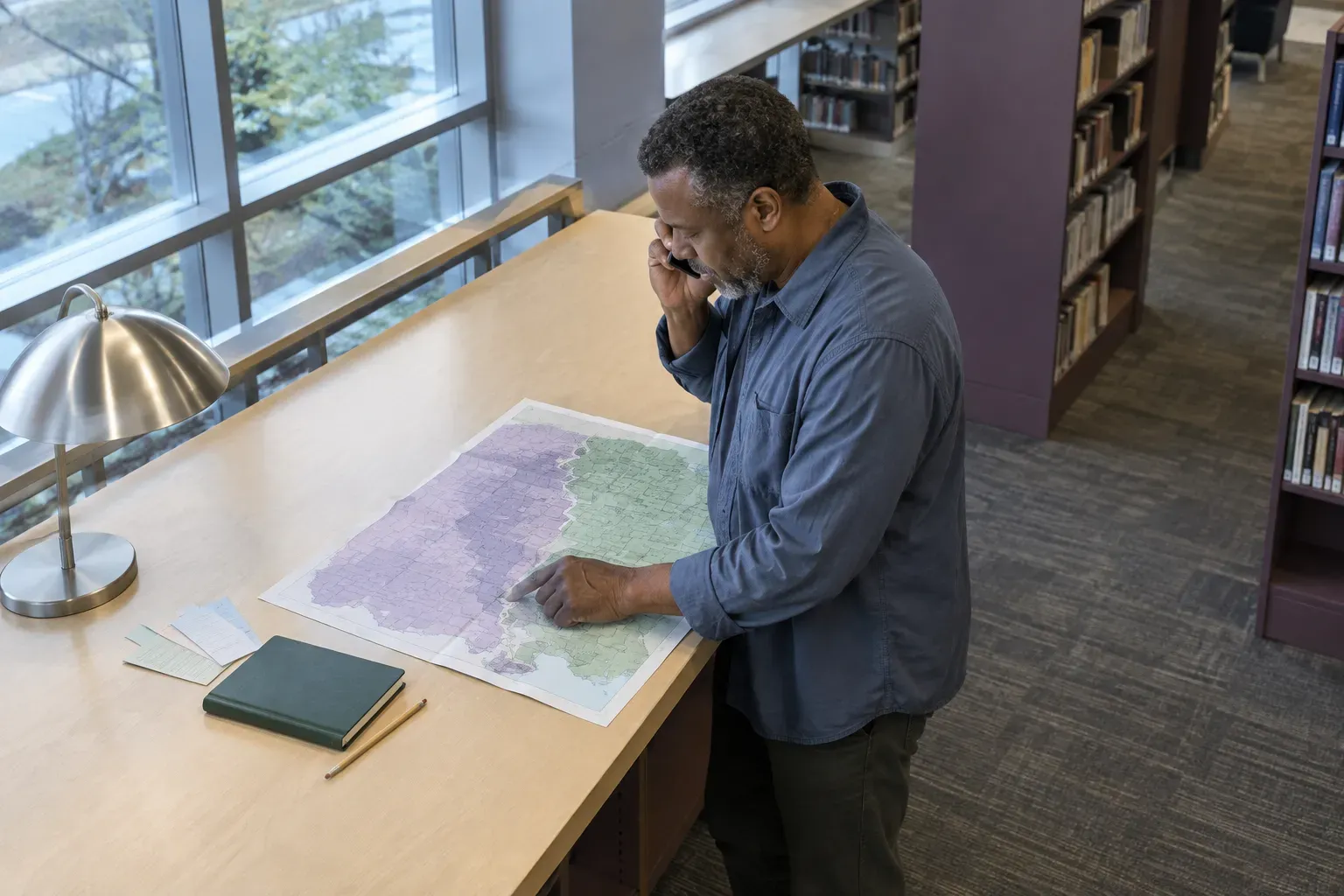
The City of Bothell’s Printable Maps page includes a City County Map showing the King and Snohomish County divisions within city limits. Use it to orient yourself and locate the home relative to the county boundary.
Treat that map as a starting point, not an address-level promise of service. If the location is unclear—or the home falls outside the mapped city limits—ask a resource navigator to confirm the county from the full address before making further calls. Each provider will still need to confirm whether it serves that particular residence.
Before calling, ask your parent which parts of the week they’d most like help with. “Staying home” is a broad goal; “having breakfast ready without struggling through the cleanup” gives a navigator something concrete to work with.
Make the right first call on each side of Bothell
For a King County address, start with Community Living Connections at 844-348-5464. It offers older adults and family members objective information about community resources and service options. Calls are free and confidential.
For a Snohomish County address, start with Homage’s Aging and Disability Resource Network at 800-422-2024 or 425-513-1900. Staff can discuss needs and make resource referrals. Family members can contact the network, too.
These are navigation starting points—not promises that someone will arrive at the house on a particular day. A useful opening is:
“My parent lives at [full address] and wants to stay home. We need help with [three everyday tasks]. Which organizations serve this address, and whom should I contact next?”
Be specific about what the task involves. “Meal help” could mean grocery delivery, prepared meals, cooking, or help serving and eating lunch. “Transportation” could mean a ride alone or a trip that requires someone to accompany your parent.
For each referral, record the organization, contact number, next step, and person in your family who will follow up. Ask whether you need to call the provider yourself. Until the arrangement is confirmed, keep it marked requested, not scheduled.
Northshore Senior Center can help beyond its activities calendar
Northshore Senior Center is a practical local contact even if your parent isn’t looking for classes or group activities. Its social-services offerings include resource referrals, confidential telephone support, and family support.
For confidential telephone support, call 425-286-1035. For information and referral assistance through a Community Resource Specialist, call 425-286-1036.
Bring a short list of unresolved needs: perhaps laundry, food access, transportation, or finding practical help around the home. Ask which resources might address each task and what you must confirm directly with the provider.
Northshore also describes an employment-matching program for practical help, with arrangements and fees negotiated directly with the worker. Don’t treat a match as guaranteed agency staffing. Before relying on it, clarify the work, schedule, payment arrangement, and what happens if the worker cannot come.
The center can be a useful connection point. The actual ride, meal delivery, or household-help arrangement still needs its own confirmation.
Don’t put a ride on the calendar until the details are settled
Northshore lists door-to-door transportation in the Northshore region for appointments and grocery or food shopping, along with transit trip planning and transportation referrals. Its transportation dispatch number is 425-286-1026.
A description of regional service doesn’t establish that every Bothell pickup, destination, or recurring trip is available. Give dispatch both addresses and ask:
- Does this trip fall within your service boundaries, including any cross-county travel?
- Which days do you operate, and how far ahead must we reserve?
- What pickup window should we expect, and how is the return ride arranged?
- Can you accommodate my parent’s mobility needs, and what assistance is included?
- Can someone accompany my parent, and is an escort required?
- What happens if an appointment runs late, a ride is canceled, or capacity is full?
Then separate the ride from the surrounding tasks. Someone may still need to help your parent get dressed, gather belongings, reach the pickup point, and put groceries away afterward. A confirmed vehicle trip doesn’t automatically cover those parts of the day.
Follow meal support all the way to the plate
Northshore participates in Meals on Wheels and lists different registration contacts by county:
- King County: 206-448-5767
- Snohomish County: 425-347-1229
Confirm address coverage, intake timing, delivery frequency, holiday arrangements, and current availability directly. Ask when the first delivery could actually occur rather than planning around the date you make the inquiry.
Northshore describes ready-to-heat meals. That leaves several practical questions: Who will receive them? Who will put them away? Can your parent heat and serve them, or does someone need to be there?
For example, a delivery could address food supply while leaving Tuesday lunch unresolved if your parent needs help opening containers and setting up the meal. Give that remaining task its own owner.
Keep community dining, pantry pickup, and home delivery separate in your notes. They may each be useful, but they require different arrangements. Pantry food still needs collection and preparation; a meal at the center still requires a way to get there and home.
Build a seven-day plan with names, start dates, and backups
Once you’ve made the first calls, spread the week out in front of you. Start with the routines your parent wants to keep, then identify the help needed to make them workable.
Create a worksheet with these columns:
| Day and time | Everyday task | Parent’s preferred help | Named person or confirmed service | Start date | Backup | Status |
|---|---|---|---|---|---|---|
| Monday morning | Dressing and breakfast | Help choosing clothes; breakfast prepared | Not yet assigned | Pending | Needed | Requested |
| Wednesday afternoon | Groceries | Shop together if possible | Family member to confirm | Pending | Needed | Requested |
| Friday midday | Receive and heat lunch | Meal set out at usual seat | Delivery and in-home helper to confirm separately | Pending | Needed | Backup needed |
These are planning examples, not service commitments. Replace them with your household’s actual arrangements.
Work through all seven days, including bathing assistance, laundry, companionship, and evening routines where relevant. Use a person’s name rather than “family.” If a spouse is handling a task, record that explicitly instead of leaving it invisible.
Use three clear status labels: requested, confirmed, and backup needed. A saved phone number isn’t confirmed help. Neither is a referral awaiting a return call.
Before counting on an arrangement, establish its start date and who will respond if it falls through. Review the first completed week with your parent: Did the timing work? Was any task still left undone? Adjust the plan to what actually happened.
Add non-medical home care where the week still has gaps
Community resources and non-medical home care can address different parts of the same week. The decision isn’t whether you’ve collected enough referrals. It’s whether the necessary tasks have dependable coverage.
Look closely at recurring gaps involving hands-on assistance, visits at particular times, meal preparation, light household support, or companionship. A meal delivery may be confirmed while help with breakfast and dressing remains unassigned. A grocery ride may work well while evenings still lack needed support.
Veya serves both King and Snohomish counties. You can explore non-medical home care in Bothell and discuss the uncovered tasks, your parent’s preferences, and the schedule you’re seeking. Review current pricing and weekly scheduling requirements before assuming a small, isolated gap will fit. Start dates depend on finding an appropriate caregiver whose skills and availability match the requested schedule.
Bring the worksheet to that conversation. It makes the question concrete: not “What services are available?” but “Who will help with these tasks, on these days, and when can that arrangement begin?”
Care starts at $45 per hour with a 20-hour weekly minimum. Your rate and service terms are confirmed before care begins.
This guide is general information about non-medical support at home. For diagnosis, treatment, medication, or other medical decisions, speak with a qualified healthcare professional.
Looking for support nearby? Explore caregiver placement in Bothell.